Lawn weed and pest control in Teesside
Selective herbicides kill broadleaf weeds such as dandelion, clover and plantain without harming the grass, and separate treatments deal with leatherjackets and chafer grubs. On Teesside this is usually built into a treatment visit at £25 to £45, with heavier pest work quoted separately.
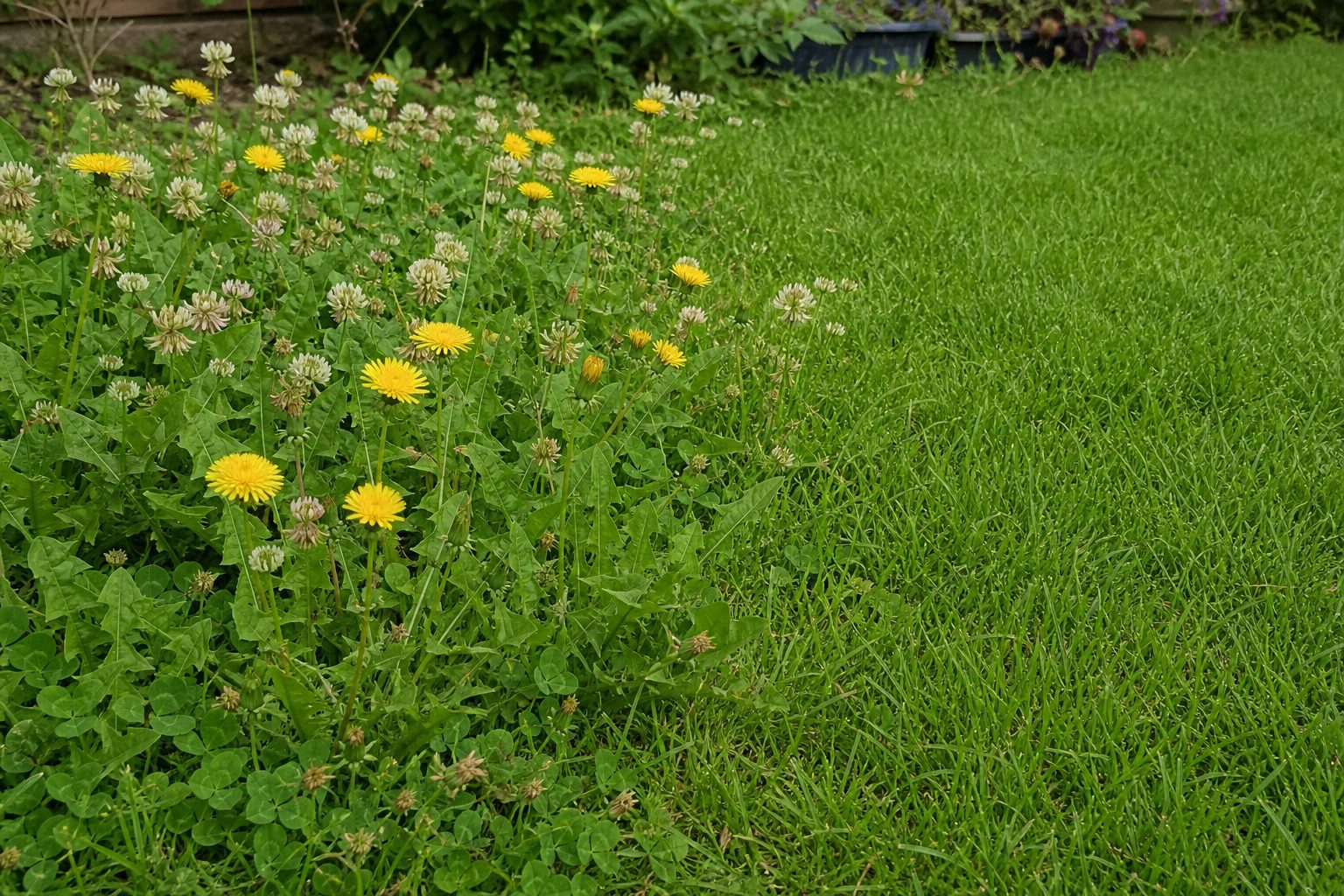
Selective control, explained simply
A selective lawn herbicide exploits the difference between broadleaf plants and grasses. The active ingredients are absorbed through wide leaves and disrupt growth in dicotyledonous plants, while narrow-leaved grasses shrug them off. That is why a weedy lawn can be treated without being killed, and why the same product would devastate a flower bed if it drifted.
Timing decides effectiveness. Weeds need to be actively growing and in leaf so the chemical is taken up and translocated to the root. That means late spring through to early autumn on Teesside, on a dry day with no rain forecast for six hours and no mowing for three or four days either side.
The usual suspects in local lawns
- Dandelion: deep tap root, seeds everywhere, needs a systemic treatment rather than pulling, which usually leaves root behind.
- White clover: thrives where nitrogen is low because it fixes its own, so persistent clover is often a feeding message as much as a weed problem.
- Greater plantain: a compaction indicator, common on the worn desire lines across estate lawns.
- Creeping buttercup: loves the damp clay of Teesside gardens and spreads by runners, so it needs repeat treatment.
- Selfheal, daisy and speedwell: low-growing, mower-tolerant, and speedwell in particular resists many standard selectives, so it often needs a specific product.
- Moss: not a weed in the herbicide sense. Iron sulphate kills it; only aeration, light and density keep it out.
Leatherjackets and chafer grubs
If patches of lawn go yellow in autumn and lift like a loose carpet, or if crows, magpies and foxes start tearing the turf apart overnight, the cause is usually grubs feeding on the roots. Leatherjackets are crane fly larvae, greyish and legless, and they are common across the damp North East. Chafer grubs are white, C-shaped, with three pairs of legs and a brown head.
Since the withdrawal of the older chemical controls, the mainstream professional treatment is nematodes: microscopic parasitic worms watered onto the lawn when soil temperatures are right, typically late August to October for leatherjackets and July to September for chafers. They are living organisms, so application timing, soil moisture and storage all matter, and a treatment applied outside the window is money wasted. Expect £80 to £180 for a domestic lawn, plus repair work for whatever the birds have already done.
What good practice looks like
- Weeds identified by name before anything is applied, because speedwell, yarrow and clover do not all respond to the same product.
- Products applied at label rate by someone certificated to use them, with records kept.
- A stated exclusion period before children and pets return to the lawn.
- Bee-safe practice: no spraying clover or daisies in flower, or mowing first so flowers are removed.
- A follow-up pass included where a stubborn weed needs a second treatment, rather than a fresh charge for the same problem.
The long game
Herbicide clears the ground; density keeps it clear. A lawn treated once and then left thin will be back to dandelions in two seasons. Pairing weed control with a feeding programme and overseeding is what makes the improvement stick, and it usually means fewer chemical applications over time, not more.